In-depth analysis
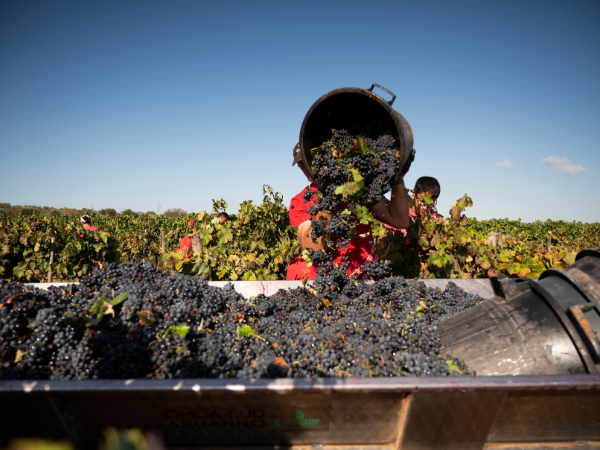
Grape harvest in Puglia: behind the scenes of a day in the vineyards
04/09/2026
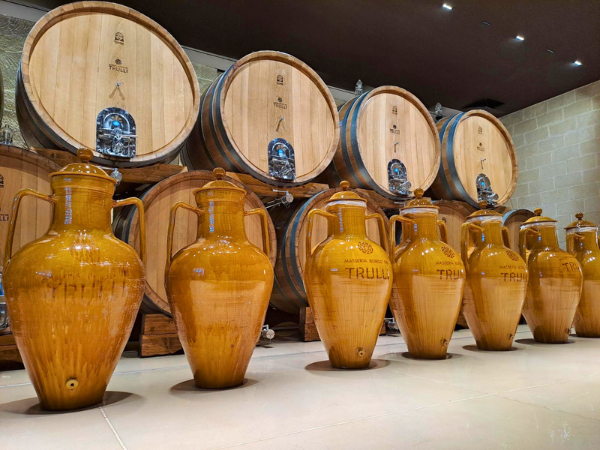
When grapes arrive at the winery, the vessel becomes one of the tools winemakers use to guide their transformation. Amphorae, capasoni and stainless steel tanks offer different approaches to winemaking. The first two draw on an ancient tradition that some wineries are now reinterpreting, while stainless steel is one of the mainstays of modern winemaking. Understanding their differences reveals that the vessel is more than a technical detail: it is an integral part of the winemaker’s vision.
Before exploring the individual vessels, it is useful to distinguish between fermentation and ageing.
During fermentation, yeasts convert the sugars in the grape must into alcohol. Temperature and oxygen need to be carefully managed, as they influence the aromas, colour and structure of the future wine.
Ageing follows fermentation, allowing the wine to stabilise and evolve before bottling. The two stages do not necessarily take place in the same vessel: a wine may ferment in stainless steel and age in oak, or be divided between different vessels before being blended.
The amphora is one of the oldest vessels used to produce and store wine. Today, versions are also made specifically for winemaking.
Terracotta does not impart the toasted or spicy notes typically associated with oak. However, its porosity can allow a slow exchange of oxygen, depending on the type of clay, the firing process and any internal lining.
An amphora can therefore support gradual development while preserving the distinctive character of the grape variety and its fruit. It does not, however, automatically make a wine more authentic or natural: like any other winery tool, it requires careful management and expertise.
The capasone is a large terracotta vessel rooted in Puglia’s rural culture. With its rounded body and narrow opening, it was a familiar feature in homes, traditional farm estates known as masserie, and agricultural buildings, where it was used mainly to store wine and olive oil.
Today, some producers are rediscovering its winemaking potential, adapting it to modern standards of hygiene and process control.
Stainless steel has profoundly changed the way wineries work. It is durable, easy to clean and essentially inert, imparting no aromas or flavours of its own to the wine.
One of its main advantages is precise temperature control. When making white and rosé wines, lower temperatures help preserve freshness and delicate aromas. For reds, careful temperature management helps guide the extraction of colour, aromas and tannins.
Stainless steel tanks also limit uncontrolled oxygen exposure. This makes them a natural choice when the aim is to keep the grape’s varietal character at the forefront. Their use is not limited to young wines: stainless steel can be used for fermentation, ageing or in combination with oak vessels.
At Masseria Borgo dei Trulli, stainless steel plays a central role in winemaking, particularly in controlling fermentation and preserving varietal character.
The Vermentino IGP Puglia, for example, undergoes temperature-controlled fermentation and spends three months in stainless steel, retaining its freshness and aromatic richness. For other wines, stainless steel works alongside oak.
Mirea Primitivo di Manduria DOP ferments in stainless steel and ages for ten months in first- and second-use French and American oak barriques.
Anante Susumaniello Puglia IGP takes a combined approach: after fermentation, the wine is divided into two portions, one aged in stainless steel and the other in French and American oak barriques for ten months. The final blend balances fruit expression with the structure and complexity contributed by oak.
From the capasoni of historic masserie to modern stainless steel tanks, these vessels tell the story of Puglian wine’s evolution. Materials and tools may change, but the goal remains the same: to bring out the best in the grapes and the land they come from. At Masseria Borgo dei Trulli, stainless steel enables precise control over fermentation and preserves the character of varieties such as Primitivo, Negroamaro, Fiano and Vermentino, either on its own or alongside oak. The vessel should help the wine express itself, allowing its character to shine.
Visit Masseria Borgo dei Trulli to discover the heart of the winery, from the oak barrels in the ageing cellar to its innovative ceramic amphorae.
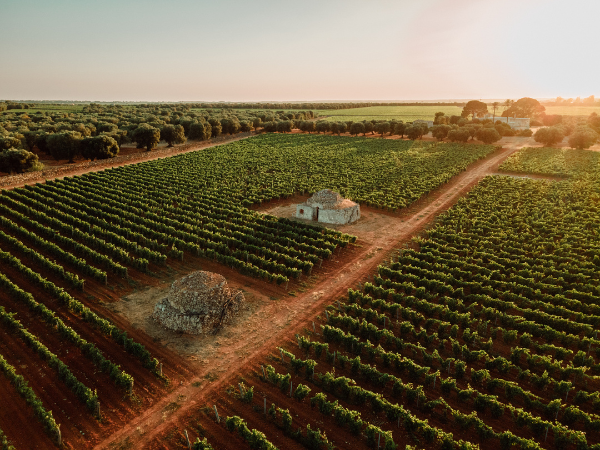
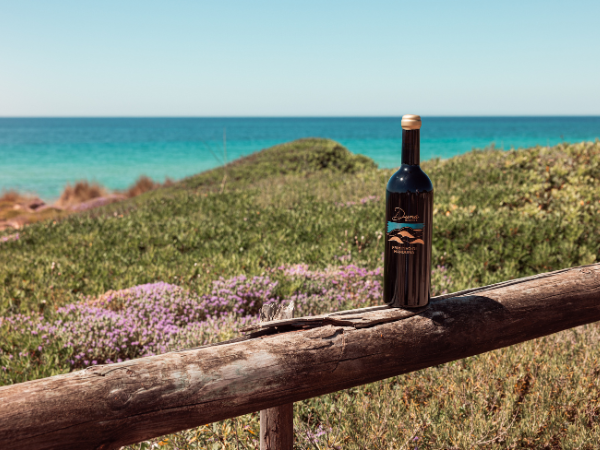

Click below to discover our experiences: journeys that combine history, tradition, and taste, in the heart of Puglia.