In-depth analysis
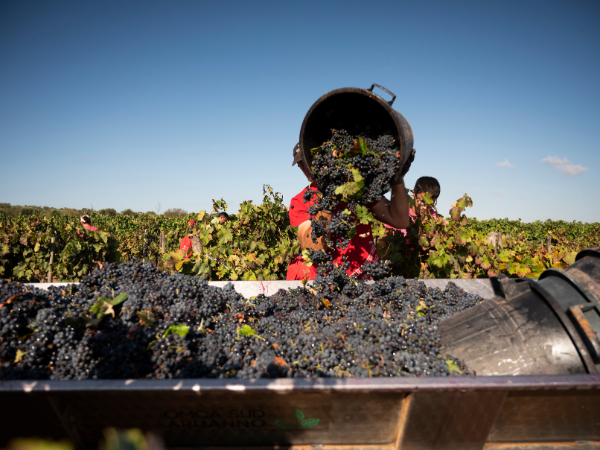
Grape harvest in Puglia: behind the scenes of a day in the vineyards
04/09/2026
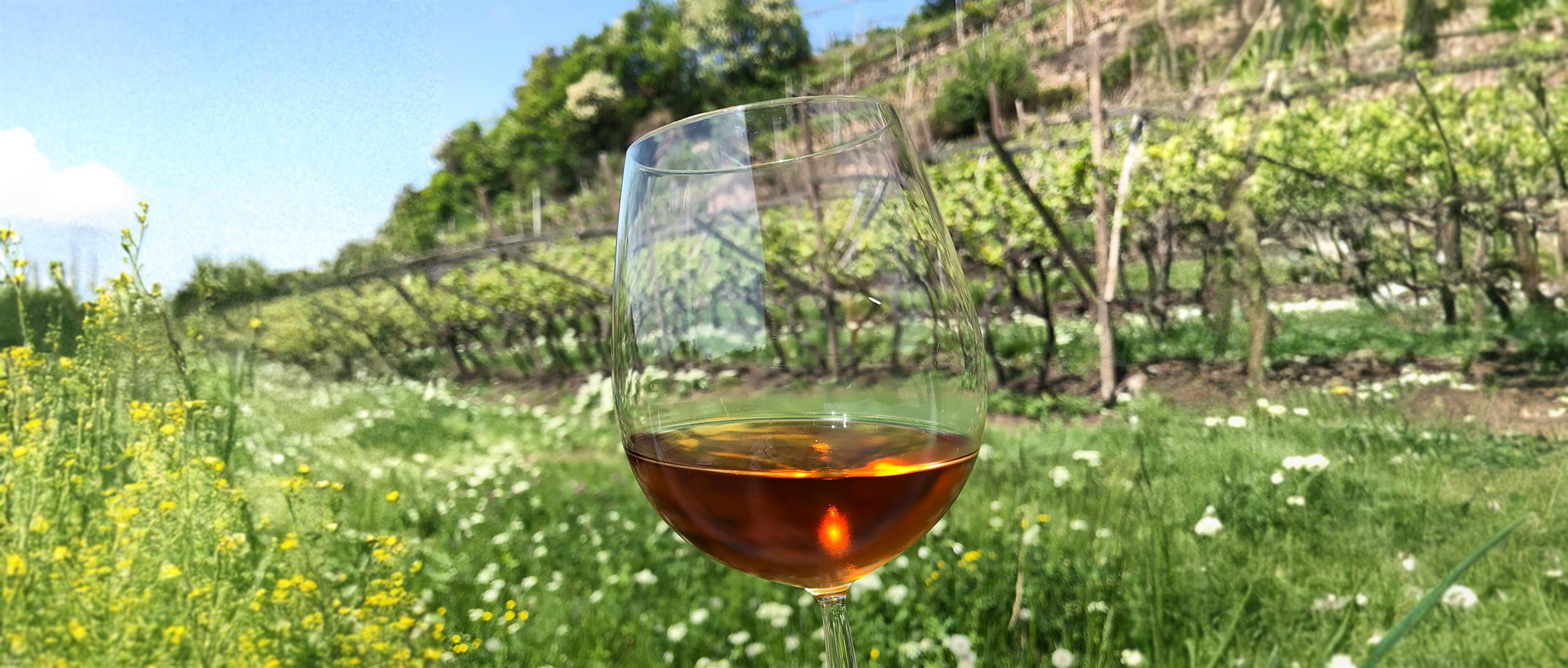
Tasting an Apulian wine means immersing yourself in a world of aromas, colors, and tradition. With native grape varieties like Primitivo, Negroamaro, and Uva di Troia, Puglia offers a rich and diverse winemaking landscape. To fully enjoy these gems, it’s essential to understand tasting techniques that help capture every nuance
Visual analysis is the first step in evaluating a wine. By observing the color, clarity, and consistency, you can gather valuable clues about its age and structure.
The olfactory examination reveals the soul of the wine. By bringing your nose to the glass, you can detect a variety of aromas that tell the story of the grape and the land.
A well-aged Negroamaro, for instance, is known for its complex bouquet featuring ripe fruit, aromatic herbs, and sweet spices.
Tasting is where all perceptions come together. In the mouth, several aspects define a wine’s quality and balance:
For example, a Primitivo di Manduria is prized for its robust body, velvety tannins, and lingering flavors of ripe red fruit and spices.
In wine tasting, every detail matters. Start with the temperature: Primitivo served too warm loses balance; white wine served too cold may remain closed. The glass also matters – its shape affects how aromas and flavors reach you.
And don’t overthink food pairings. Keep it simple: pasta with meat sauce, a slice of aged caciocavallo, a well-grilled steak. Apulian wine – especially – knows how to find its place at the table.
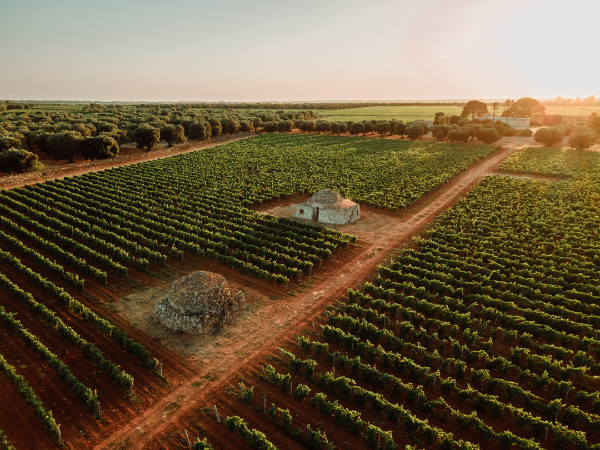
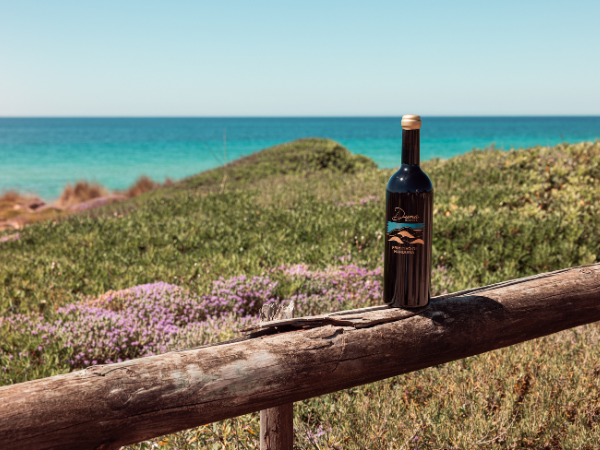
Click below to discover our experiences: journeys that combine history, tradition, and taste, in the heart of Puglia.